Friday, February 13, 2026

 INFLAMMATION AND ATHLETIC PERFORMANCE


Athletes sometimes get themselves in trouble by “overtraining.”  While this may seem like a great idea, it’s actually stressing the body to the point where it begins to break down and is unable to rebuild. 

Athletic training is designed to break the muscles down, which then encourages the body to respond by building back even better.  A classic example is weight lifters who lift really heavy weights, knowing they are causing small tears in the muscles.  Through nutrition and rest, the body builds newer, bigger muscles.  But skipping nutrition and rest, and continuing to lift, means you are making larger tears, and more tears…more work for the body.  So more is not better in this case. 

This response is inflammation.  So athletes must understand inflammation. 

Inflammation is the body’s natural immune system response to injury, infection, or irritation, designed to protect and heal damaged tissues. It involves increased blood flow, bringing immune cells to the area, which causes the classic symptoms of redness, heat, swelling, pain, and sometimes loss of function. 

Key Aspects of Inflammation:

  • Purpose: It acts as a defense mechanism to remove harmful agents (like germs or toxins) and initiate tissue repair.
  • Symptoms: The "five cardinal signs" are heat (calor), pain (dolor), redness (rubor), swelling (tumor), and loss of function (functio laesa).
  • Types:
    • Acute Inflammation: Short-term, rapid response to immediate injury (e.g., a sprained ankle or paper cut).
    • Chronic Inflammation: Long-term, smoldering response where the immune system may attack healthy tissue, often linked to diseases like arthritis, heart disease, or diabetes.
  • Causes: Infections, pathogens, physical injury, toxins, allergens, and autoimmune disorders. 

While acute inflammation is essential for survival, chronic inflammation can cause damage to healthy cells and tissues. 

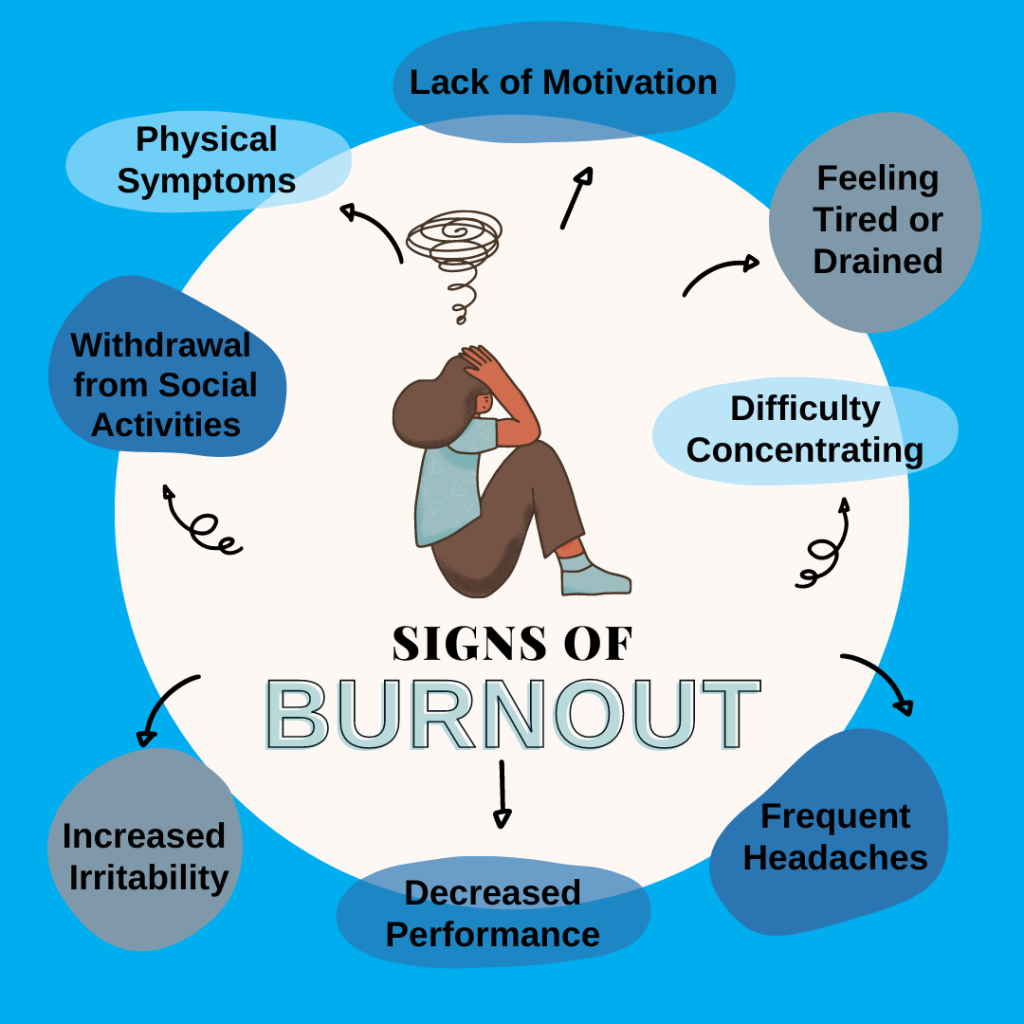
If we consistently overtrain with little recovery, we can induce chronic inflammation.

Symptoms include: emotional instability, fatigue, clumsiness, sleepiness, recurring colds, sleeplessness, and injuries.

Athletes recover from exercise-induced inflammation by combining active recovery (light movement), proper nutrition, hydration, quality sleep, and physical modalities like foam rolling, massage, and hydrotherapy. These techniques increase blood flow, remove waste products, reduce swelling, and accelerate tissue repair, essential for minimizing delayed onset muscle soreness (DOMS). 

Here is a detailed breakdown of how athletes manage and recover from exercise-induced inflammation:

1. Active Recovery and Movement 

  • Light Exercise: Low-intensity activities like walking, easy cycling, or swimming help flush out metabolic waste, deliver nutrients to muscles, and reduce tightness.
  • Flexibility & Mobility: Gentle stretching and yoga improve range of motion and reduce stiffness.
  • Foam Rolling: Self-massage tools release muscle knots, improve circulation, and reduce soreness. 

2. Physical Modalities & Tools

  • Hydrotherapy & Cold: Ice baths, cold plunges, and contrast water therapy (alternating hot/cold) reduce pain, swelling, and improve circulation.
  • Compression Garments: Socks or sleeves help push fluids back to the heart, reducing swelling.
  • Massage & Tools: Massage guns and manual therapy promote blood flow and reduce muscle edema. 

3. Nutrition and Hydration 

  • Anti-inflammatory Diet: Focusing on whole, unprocessed foods, fruits (berries), veggies, and Omega-3 rich foods (fish oil) helps curb inflammation.
  • Hydration: Immediate rehydration is crucial to restore fluid balance and encourage tissue repair. 

4. Lifestyle & Rest

  • Sleep: Prioritizing 7–9 hours is foundational for muscle repair.
  • Rest Days: Scheduling downtime prevents chronic inflammation and overuse injuries. 

5. Other Interventions

  • Photobiomodulation: Use of red/near-infrared light.
  • Medication: Some athletes use NSAIDs (non-steroidal anti-inflammatory drugs) for acute pain, though it is often managed via natural means first. 

By using these methods, athletes aim to balance the necessary inflammatory response (which builds muscle) with excessive soreness that hinders performance. 


Sunday, December 22, 2024

SIPE: Description, Research and Prevention

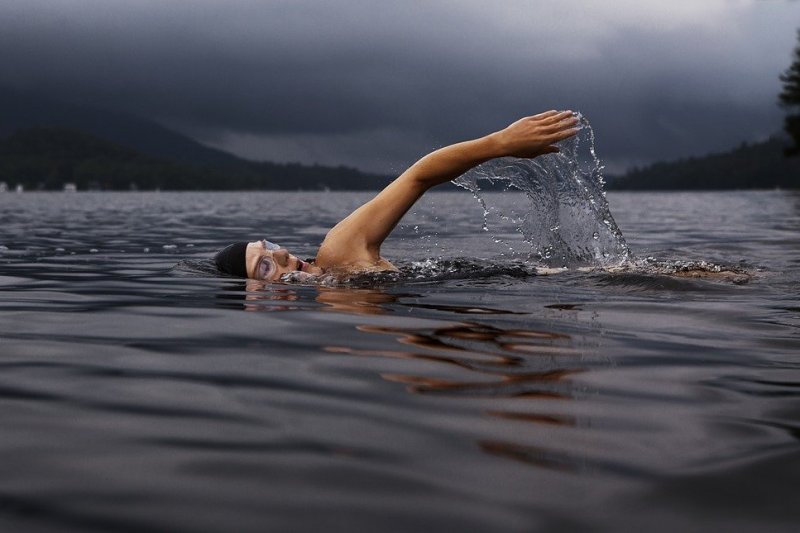
SWIM-INDUCED PULMONARY EDEMA


As a coach and an athlete, I have been curious about this phenomenon since I became aware of it.  I've been in multiple races where an athlete has died during the swim, and it's always been very sad but also mysterious as to why an athlete in good condition might experience what is normally attributed to a heart attack in the water.  It turned out some years ago that there was a little understood and rarely researched condition that military divers were experiencing called IPE.  Later, after more research, the name was changed to SIPE.  

The problem with SIPE is that it doesn't exhibit symptoms that are readily identifiable and these symptoms can be easily dismissed, but if ignored, can lead to death.  If the athlete stops swimming and rests, the symptoms often clear up spontaneously.  That can lead to dismissal of the concern and possibly recurrence and serious consequences later.  

WHAT IS IT? 
This issue occurs when fluid enters the alveoli of the lungs and essentially prevents oxygen transfer to the blood.  

This article from August 2023 Triathlon Magazine describes the reason that has been determined by researchers for this to happen. 
This article from The Dive Lab  also explains it.  The Triathlon article is pretty long but details the history of the research and how researchers are gathering data using actual athletes.  

SYMPTOMS
Symptoms include shortness of breath, a rattling or phlegmy cough, and fatigue.  Many triathletes, trained to ignore pain and push on, will do the same with these symptoms.  It's easy to brush them aside as being caused by a tight wetsuit, panic, overtraining, etc.   If you stop to cough up the phlegm with SIPE, it will be pink or bloody.  Most triathletes, focused on finishing the swim, will not stop long enough to examine their spittal, but this could save your life.  If you have these symptoms, get out of the water, your race should be over.  Find a kayak or buoy and request help to get back to shore.  
  • Shortness of breath or rapid, heavy or uneven breathing
  • Uncontrollable coughing. This cough is usually distressing and can produce pink, frothy, or blood-tinged sputum (originating in the lungs or bronchial tubes)
  • Confusion or irrational behavior
  • Tightness or pain in the chest
  • Difficulty breathing at the surface
  • Crackles, rattling, or junky feelings deep in your chest
  • Wheezing

WHY DOES IT HAPPEN? 
The article in Triathlon Magazine discussed many of the underlying causes that have been researched.  It can happen to anyone, even without underlying causes, but there do seem to be some reasons it can happen.   Here are a few that have appeared to be factors: 
  • Cardiac disease and high blood pressure
  • Increased stress and exertion during immersion
  • Immersion in cold water
  • Excessive pre-hydration before immersion
  • Antiplatelet agents such as aspirin or fish oil
  • Using a snorkel

Researchers are finding that elevated blood pressure can be a significant factor rather than conditions that presage a heart attack.  High blood pressure, along with exercise and cold, can cause the body to shift circulation efforts to the core, causing blood pressure to elevate further. This can cause the barrier in the alveoli to be overcome, forcing blood into the lungs. Essentially, the athlete can drown in their own blood.  

CAN WE PREVENT IT? 
Researchers in Norway, using athletes competing in the Nordic Man race, found that Viagra, developed to reduce blood pressure and open capillaries, (the ED usage was a side benefit that was capitalized on by the pharmaceutical company) can be used prophylactically to reduce the risk of SIPE. While this seems somewhat effective, they found that not all athletes, even when screened prerace, can be identified for SIPE risk. During the Mont Tremblant race, researchers worked with Ironman to develop a predictive survey and protective swim protocol to identify, locate, and support athletes in the swim. Prior to the swim they gave special yellow caps to those athletes that appeared to have the risk of SIPE. They then used drones, one per each of the 25 racers, to watch their swim. During the race, none of those identified as having this risk had any problems, but the drone operator spotted another racer in distress and they were able to get help to that swimmer and prevent disaster.  

If you have had these symptoms in the past, it might be a good idea to visit your doctor and determine if you have elevated blood pressure or any of the identified possible underlying issues and get treatment.  

Educating yourself about this condition is another way to prevent it.  

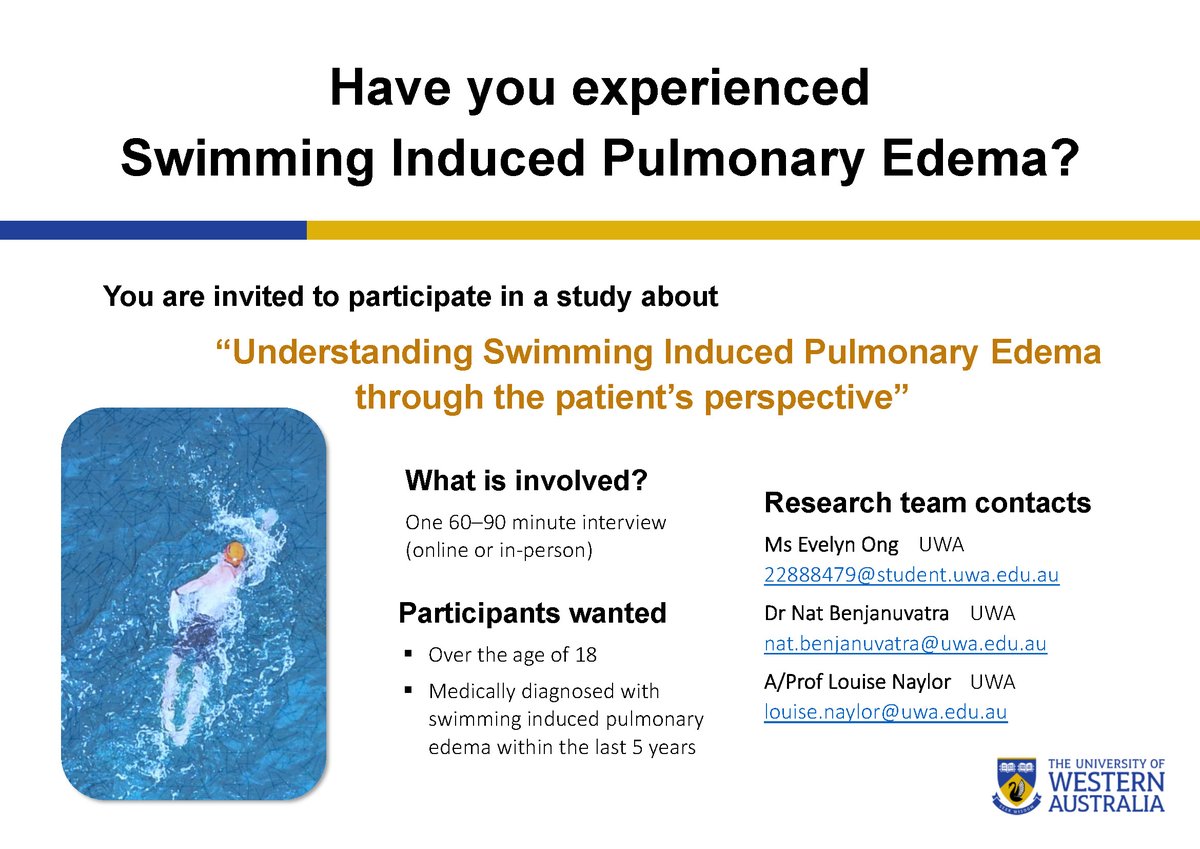
Finally, you may want to find out if there are studies near you that you can participate in to help triathlon and your fellow triathletes swim more safely.  

Wednesday, December 11, 2024

The Value of Off Season....Maintenance training

I strongly encourage my athletes to take a serious break from training in December. The pros do, so why are you still training like there's an IM next week? If you're afraid of losing fitness, you can actually maintain your fitness with a lot less training than you do to prepare for a big race. So while I don't recommend a total break from training, I DO recommend you back down your training hours and training stress to a level that could feel minimal to most IM athletes. I understand. It can be hard to not train when you have a habit of going to the gym. My best advice is to keep going so you still have that habit, but to slow down, do more zone 2, reduce the time at the gym and generally focus more on enjoying the workout than on pushing your limits. There will be plenty of time for pushing limits once you get back onto the race prep planning. Another way to back down is to take more rest days per week. If you've only done 1 per week, take 2. Older athletes may train with 2 days of rest so adding a 3rd rest day will be necessary.

 
If you cannot fathom adding a day of doing nothing, change from a bike or run to an easy hike or a yoga class...not Iyengar or Hot Yoga, but more like meditative yoga for mental and physical rest and recovery. In essence, give yourself time to read a book, be bored, spend time with the family, or generally focus on anything else for a while. The hazard of continuing to train is that you burn yourself out before the race training plan begins because you've made your training into a second job instead of a break from work. IM training can feel like you're working the second shift at its peak. This taxes you mentally and physically, and continuing this without a break can break you and cause you to feel unmotivated and unjoyful when workouts appear on your Garmin or training plan.


Letting the biochemical adaptations of training clear, and then waiting for the season to bring them back, gives us a racing jolt. Otherwise, we'd cruise around at 75% of our capability all the time. This is why detraining in the off season allows us to peak for races. (From The Benefits of Taking and Off Season,Trevor Connor, Fast Talk Laboratories). 


If you use training peaks, look for a form # that is 0 or slightly positive. That means you are in a maintenance phase.  Negative form means you are building, but you need to save that for when you are training for your races. Ask your coach to help you figure out what to reduce to get Form to a 0 level. 

On tridot, go to your settings and set all your sports to LOW intensity. This will reduce your training plan sets and the training intensity to more of a maintenance level. You can ask your coach to help you with that if you can't find it. Thus you can keep working out, but your focus and intensity is lower for about a month to 2 months. Enjoy the time. Think about how you will fill in the extra hours you gain from less training. What books have you put off? What plays or movies would you like to see? What family events can you schedule? Your body may feel a bit jittery with less training, but like anything we adapt. Your mind will appreciate the break from the high demands of life, work, and training, and your family will certainly appreciate that they have your full attention for the holidays. 

If you're worried about fitness losses as you reduce your training, check out this article that says it is a good thing to lose some fitness and destress. DESTRESS and DETRAINING If you don't have time to read that article (YOU SHOULD...YOU'RE NOT TRAINING SO HARD NOW! lol), Here is a quote that should reassure you that your detraining levels will not impact your future outcomes as much as you may imagine. "Structural improvements such as capillary density, muscle fiber ratios, and the size of our hearts do not detrain quickly. Many studies have shown no changes even 12 weeks after stopping exercise. In fact, one study demonstrated that many well-trained endurance athletes still had larger hearts 14 years after retiring."
Here's an article from another coach about why resting and losing some fitness is a good idea in the off-season. REST SEASON GREETINGS In conclusion, give yourself a break. Take a few more naps, and rest assured you will be better served by doing that now than by continuing to push yourself for the next 6-12 weeks. In fact, putting more relaxation in your life can be a significant benefit in the long run. And that's what we're training for, right? The LONG RUN? I know I'm embedding a couple of lame puns but bottom line I hope is that you get it. Giving yourself, your family, and your friends time to reconnect and enjoy life is a good way to celebrate last year's training, racing, and the season. HAPPY HOLIDAYS TO ALL MY FRIENDS AND ATHLETES.

Tuesday, November 12, 2024

The Benefits of Joining a Triclub

The logos above are all the groups/teams I belong to that focus on Triathlon. Since this is the annual renewal time for groups, I thought it might be worth explaining why I join these groups and what I get in return. Aside from the benefits they all offer for the fees, there are many benefits that are not immediately obvious. But lets begin with the obvious ones. Triathlon experience, experiences, and information A triathlon club offers you the chance to talk to other triathletes through social events, training events and race team support as well as coaches that belong. I've found that no matter how experienced I am, and I have a lot of experience, I can always learn something new. Of course you can learn a lot by reading and watching videos, but for the local area or national support, you'll find that triathletes are a pretty supportive group. For novices, the sport can be quite daunting and if you are inexperienced, figuring out how to begin can be a puzzle. Your local team can answer questions from " Should I buy a bike?" (where the facetious answer is yes always N+1...as in, you never have too many bikes) to "What is a good race to do for your first time?" or for more experienced athletes, "what's the latest thinking on ironman training?" In other words, all your questions can be answered. I found this website with FAQs for beginners in case anyone who isn't in a group yet has questions. Triathlon Events and support Often triathlon groups provide supported bike rides, runs and swims. Louisville Landsharks has athlete insurance for all their sponsored activities so if something happens at an event, there is some financial support from USAT insurance. This feature means that Landshark events are well researched for safety and support. Landshark rides are published before hand and maps are downloadable for all riders, members or not. The biweekly swims at Deam Lake are only for members because there is insurance coverage only for members. Each swim has kayak support with radio connection and everyone wears a swim buoy. Landsharks also support the Louisville kids triathlon. Trilocos Louisville provides a Monday evening swim in the Ohio river. They also set up all group events for the Ironman Louisville race and also offer rides and runs and support the local kids triathlon. Both groups provide race support with tents, refreshments and team photos at local and selected travel races. I can tell you that having a local group support at races is a huge benefit. You can leave your gear at the tent instead of checking it and having to walk to the gear check site after the race. You can park your bike after the race once it's out of transition. You can sit and watch the finish line, the awards event and often have closer access to portapotties. Base Performance team is an ambassador group for the nutrition and gear brand that focuses on diversity and inclusion. I enjoy this team a lot. We get access to an annual training event that is a 3 day triathlon focused event with swims, bikes, runs and coaches to support us. I've done these events several times and not only are they affordable compared to many triathlon camps but the support from this group of diverse athletes is tremendous. I have triathlon base mates nationally and in a few cases internationally because of my membership in this team. I've been a member for 13 years. T2 is a charity training team for the AIDS Foundation of Chicago. They provide training in Chicago that is the best in the city for newbies and experienced triathletes alike. I started my triathlon life with them in 2010. I got a lot of support. Each person raises money to support AFC in exchange for the training which begins in May and extends through December depending on what race you train for. I know many NYC and Boston qualifiers who train with this team as well as Berlin and Tokyo marathon runners. Diversity and inclusion are of course important in this group. Social Events. Goodies and Services All the groups have social events that can include some lessons for triathlon or just be a way for athletes to get together. Most of them will have some sort of SWAG that can be very helpful such as water bottles, nutrition, kits, etc. Often, a massage therapist will be available through the team support or can be available at a team discount. Physical Therapy is another service that can be available at events or with discounts. Team discounts at running stores, bike shops, Medical services providers, nutrition, and race sign ups can save you enough that membership costs are neutral or negative depending on how much you use them. Off Season Support This kind of self describes but I find that having others suffering through the cold winter months, doing indoor rides, treadmill and sometimes braving the cold together for runs can be very helpful for keeping me off the couch. Bottom Line While you CAN train and prepare alone for triathlon, I've found that the groups I'm in provide many things that make triathlon a more rounded experience. I look forward to seeing my many acquaintances at races that belong to these groups. I find them on courses all over the world wearing their kits in support of these groups. I highly recommend joining up with at least one group to expand your triathlon joys. Full disclosure: I'm treasurer at Louisville Landsharks and was a board member at AFC for 11 years and a coach for T2. I've completed over 100 triathlons, done 2 full IM, Over 20 half IM races (one world championshship 70.3) dozens of national championship races, 2 world championship Team USA races and I'm a coach and certified race official.

Friday, November 8, 2024

Travel Races; Overseas racing tips and comments

Thinking of travelling overseas to race? It can be an exciting opportunity but having done this few times, there are a few things to know before you go.
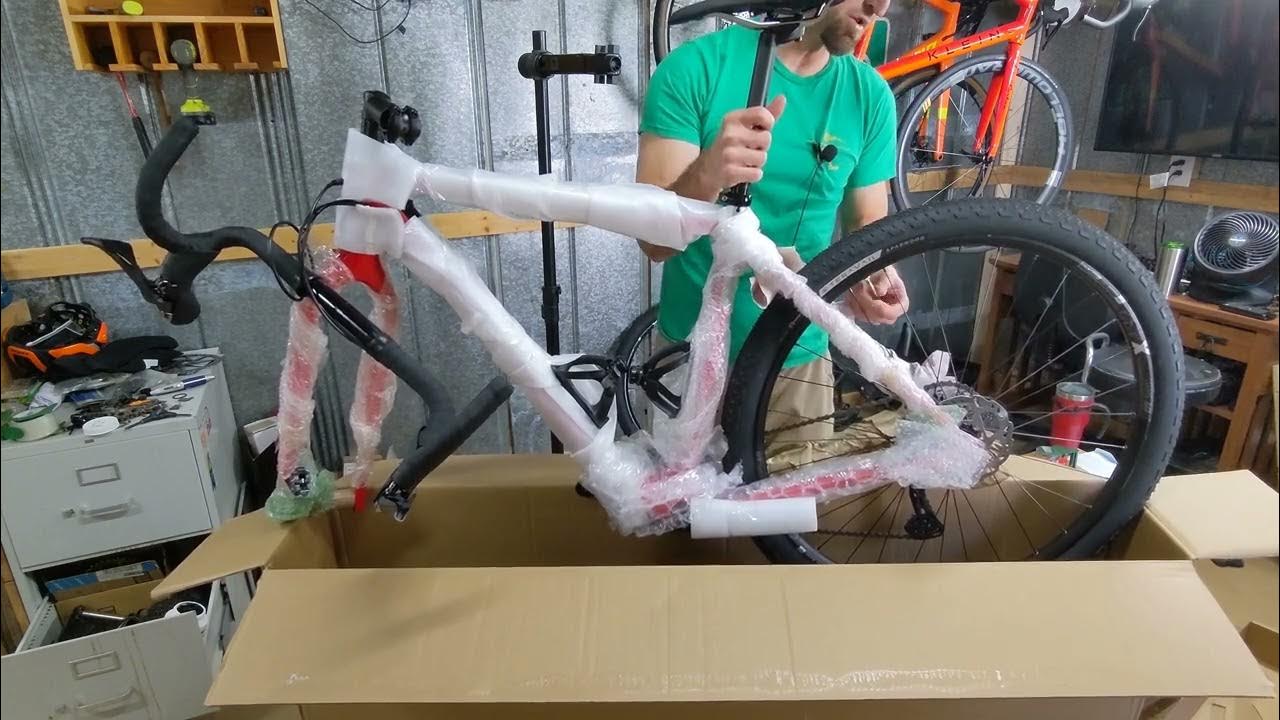
BIKE SHIPPING OR RENTAL I did a blog a few years ago on shipping your bike. You can find it here BIKE SHIPPING OPTIONS This blog is a bit old, but it's still pretty accurate so you might check it out if you want to travel with your bike. I've personally found that it is rather risky to travel with a tri bike as they are brittle and prone to cracking. I've seen plenty of reports from athletes who do travel with their tri bikes about luggage on top of the bike or cases being thrown into baggage compartments resulting in cracked chassis. Once cracked it cannot be repaired. Plus, dismantling a tri bike requires torq wrenches to properly reassemble them. I usually just travel with my road bike which is more sturdy, easier to dismantle and reassemble. I have insurance through state farm for both bikes which costs me about $300 per year also. There is apparently a way to ship your bikes in two bags now that eliminates the over size baggage charges. I've done a bit of research in found this site with some good advice for bike shipping. There is also another option available since the demise of TBT; Bikeflights I personally have no experience with this company so you might check out the ratings sites on this one. I prefer to rent a bike. Yes I know your bike is comfortable, you paid for a $300 bike fit etc. Despite that I have to say you might actually find that your rental bike is better than your personal bike. I have ridden some outstanding brands on my overseas rentals and have not been unhappy with them at all. I did not find them to be a limiter to my outcomes, in fact in Abu Dhabi World championships I rode one of the best bikes I've ever ridden, far better than my own. Rentals can cost anywhere from $300-$700 with a race day deposit of $600 until you return the bike. No matter what method you choose, make sure you fully understand the logistics that are required. Travel hint: I've found that if you check in curbside, sometimes they won't charge you for shipping your bike. I leave a big tip on those days. Domestic travel with your bike is somewhat less risky. I've seen atheltes competely freaking out about the loss of their bike trying to rent a bike last minute days before a race. Just be aware that traveling with your bike can be a bit nerve wracking. It's also hard to find a cab that can take you anywhere with a huge bike case in tow.

International competition rules are different IRONMAN INTERNATIONAL COMPETITION RULES I don't want to go through all the rules here but you need to prepare yourself for differences. For example, IM races in the US do not require bibs on the bike. International rules do require this. Unfortunately they just say, "you must have your bike number on the bike" which they mean your bib, but if you think only bike number, with the sticky labels on the bike and helmet as well as your tatoos, you might think, as I did, that this is sufficient. It is not. There is a penalty for not wearing the bib on the bike so little things like this can catch you by surprise if you are un prepared. Always read the athlete guide and rules for the race. Yes they are boring but it could save you penalty time or even a DQ if you miss a rule. Sometimes course talks are mandatory. In Ironman you must check in two days before the race so if you arrive Sat for the Sun race, you may be unable to compete. They do not give much quarter for racers that arrive too late to check in officially. Check out public transportation Most international cities have very good, regular, dependable public transportation. Even cities where you might not expect electronic access and reliability have systems that are truly amazing. If you have not used public transportation, it can be a bit overwhelming to figure out, but once you do, you'll see it's not only faster and cheaper than driving, but also much easier. I used a Eurail pass for 4 days of travel. Senior discounted 1st class was like $260 for 4 days. (you buy days of travel which is unlimited rides for each day). You may need to reserve your seat for a cost (from 4-40 euros) but one trip from Perpignan to Brussles was $250 and I used my Eurail pass for this trip, seat reservations cost me 40 euros. So this 12 hour trip with 4 train changes only cost me 40 euros on the Eurail pass. I used all four days and probalby saved the $400 in train trip costs. Here is the official site Eurail Do not start your pass until your first reservation date. You only have a month to use it. Having Eurail allowed me to quickly alter my ticket on my phone when I needed to in Brussels so the flexibility is amazing. You will need your phone and the app to use this.
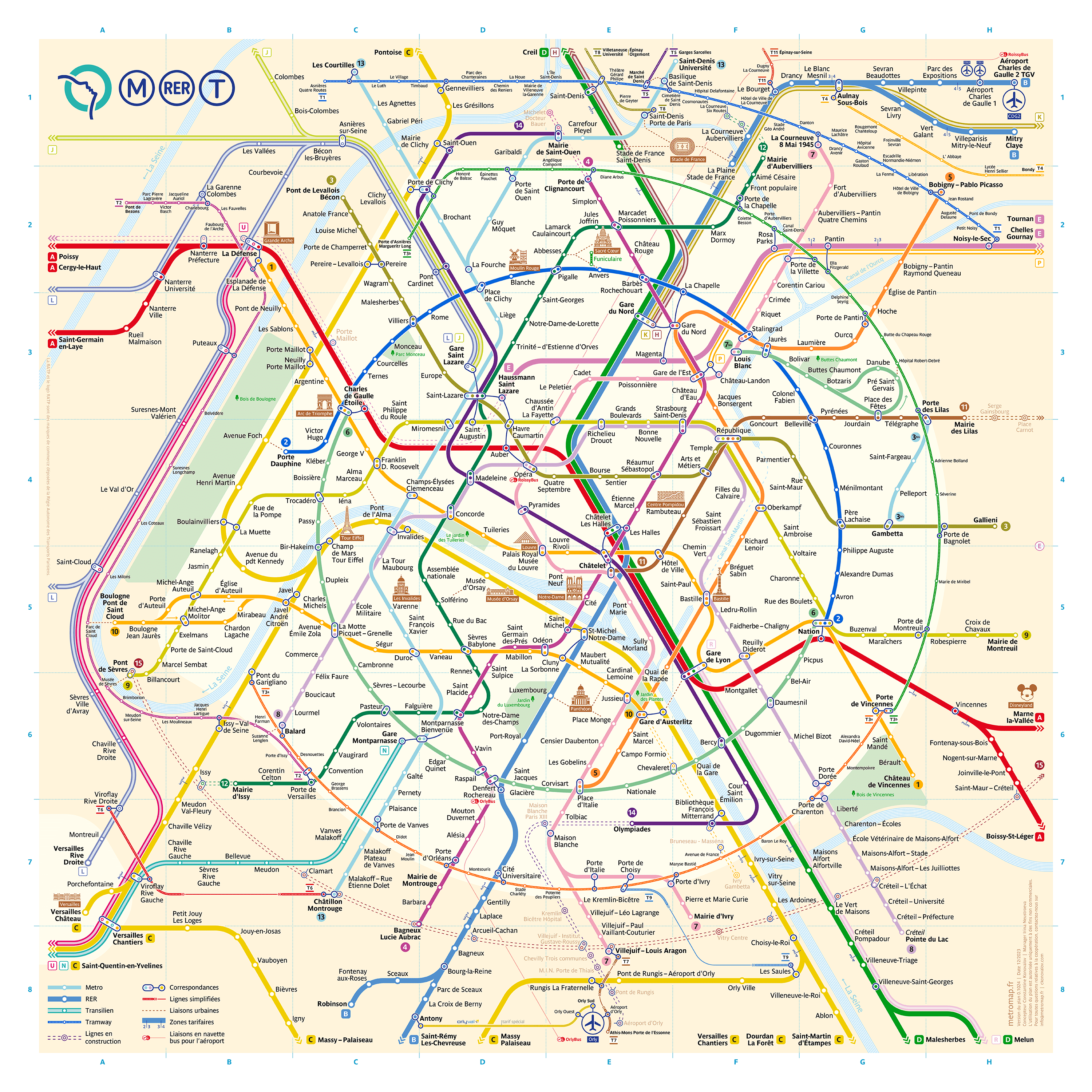
A couple of things about trams and metros: Lines are labeled by color, end point name or letter/number. Often there are maps that show line names and stops. Sometimes tickets are charged by distance or region, other times they are all one price. Bikes are allowed on metro and trams. In some countries if you are over 65, you get free or reduced prices. In Budapest for example I rode free on all tram rides. (be sure you have your passport to show your age). In France, no discounts are offered for non citizens. In Spain, I had senior disounts on all rides and tourist attractions. It varies. If in doubt, look for the i symbol and ask for help.
Most people there can speak English and in several cases, (like when I got totally screwed up in Budapest) you can get very good empathic help for resolving your crisis. Say please and thank you. Trains are used for longer rides between citis or regions. You may have to combine both metro and trains. A note, if you are traveling between cities, you may have to go to a specific train station. To travel between Spain and Belgium I had to change train stations twice. Once I used the metro in Paris to go from Gare Lyon to Gare du Nord and in North france I had to change from Lille Flanders to Lille Europe, at 10 minute walk. Trains have 1st and 2nd class cars and are identified by Train number and system. Your seat is identified by car and seat number. In France they have diagrams that show where your car number will stop so you can walk to that slot and get on quickly. Bags can be stored overhead or at the end of the car. There is not much room for bikes on trains but people do bring them and usually leave them at the end of the car where there is sometimes room for a bike. About money exchange I try to bring US dollars to exchange usually. It's cheaper to exchange real cash than to withdraw from an ATM etc. Sometimes you can do this without fees with dollars but it's always fee based for ATM withdrawals, sometimes by the bank atm and your bank as well. Know the exchange rate of the day, try to time it so you get the best rates, you can get a few more euros this way. Exchange rates for Dollar to Euro varied from .8 to .95 while I was there recently. $1 = .8 Euro. Some countries like Hungary and Montenegro use Euros but also support their own currency. If you pay euros they may charge you more. For payments with credit card; ALWAYS CHOOSE THE LOCAL CURRENCY. Why? Because your bank will assure you get the best daily exhange rates into dollars. If you choose the local currency you are allowing the retailer to choose the exchange rate...often in their favor. You'll get a question on the charge machine about what currency you want. You'll pay less if you use local currency is the message.

EXCHANGE RATE CALCULATOR Airport exchange sites are HUGELY expensive. I save my paper and coin currency from past trips and bring it with me to pay for cabs from the airport, but if I'm short, I'll use my US dollars to exchange about $50 so I can pay in cash to the taxi. Some countries do not have reliable card systems for taxis like Croatia and Hungary, they want only cash. Be prepared. ASK HOW MUCH BEFORE YOU GET INTO A TAXI. If you don't they may gouge you. Use your google maps to locate where you are going and about how far it will be prior to entering the cab and follow as you ride to avoid being taken for a ride.
PHONE SYSTEMS OVERSEAS I have Verizon wireless with an international adder. I pay $12 per day for reliable cellular service for each day I use it. If I don't use cellular that day I don't get charged. This may seem costly, but I will tell you that anywhere I have travelled, I have service, immediately upon arrival. I get a text message minutes after I cross a border and know I am connected. 3G=5G depending on what is supported locally. This is very reassuring. Two years ago in Honduraas with my daughter, despite having called AT&T to arrange for international service, she was never able to make cell calls without WIFI. I had service the monent we landed. I will say my phone uses lots of juice on international trips so I carry a portable external battery pack to recharge my phone. These days you use for phone for a variety of things so it's important to have a reliable system. In Zagreb for instance, payments and rides on the tram were done through an app.
SWIMMING OVERSEAS If you want to swim overseas, there is an website that can help you find public pools that you can access. SWIMMERS GUIDE Rules for using these pools varies A LOT. It's best to call the pool and if you can find a local who speaks english to help you, that's likely the best. Many pool managers won't speak much english (in my experience) and negotiating to get a reservation to swim can be complicated. For example, in Madrid, I had to download an app, become a member, make a reservation and then confirm that reservation in person. The pool had like 4 lanes and they were all pretty full when I arrived. Some have requirements for certain types of suits for men and women (french pools require speedo suits for men) and they require swim caps for women. Public changing rooms can be co-ed, so prepare for this. Bring your own lock and towel and be prepared to walk through a mandatory shower to enter. Reservation times are rigidly enforced in some pools so don't delay exiting. As for international racing, I have loved the races I've done in Dun Laoghaire, Abu Dhabi, Malaga, Muskoka, Liege but they do require a lot of planning, expense and some ability to be flexible and problem solve. Running races are by nature far less complicated, but doing a triathlon overseas can be rewarding and amazing as you ride through some really beautiful scenery, meet racers from all over the world and find you are way more capable at managing the complexities of these races than you might have imagined. Good luck on your next international race!

2024 World Championships Torremolinos, Spain race report: Team USA membership.

I qualified for this race in 2023 at the Multisport festival in Irving Tx. I did the aquabike because I have had a lot of issues with running and recovery and honestly never really liked running very much. I think I came in 10th out of 10, but this was a qualifying position. I accepted the invitation to compete when I was notified I had qualified. When you compete at international world championships in USAT, you are required to join Team USA which is a costly and time consuming project. While I'm very happy I have qualified twice for this honor, I'm probably done with doing this due to the cost it requires. It's always an honor to compete and represent the US internationially, but I don't have sponsors for support. MALAGA SPAIN
Here's a summary of the requirements to compete. To join Team USA, you are required to pay a deposit nearly 9 months in advance of the race to reserve your spot, $100. By 7 months later you are required to pay the balance to register for the race, $400. During this year, a firestorm erupted when USAT tried to roll out a new membership program that would have increased the costs quite a bit for Team USA members. This was quickly rolled back. Team USA members are asked to join "TEAMS APP" where you are notified of deadlines and other requirements. Unfortunately this also gives any member the ability to post anything and if you leave notifications on you will be endlessly pinged with members commenting on anything, and sadly asking about things that have been answered in teams meetings (monthly) or posted. Another issue this year was that the race was initiatlly planned for Malaga, Spain and after many of us had planned accommodations and bike rentals and flights, USAT was forced to change the venue to Torremolinos, Spain, a 30 min train ride away from the original location. This also changed the course elevations...more about that later. This change also caused a ton of Teams app messaging and confusion as many questions about the change were in flux for about a month. It was frustrating but usually the answers would be provided. I would often ignore team mates postings and only read the team manager's posts (Tim). I decided to keep my Airbnb in Malaga which was a slightly larger resort town due to the very reasonable cost (61 euro/night) I had found. The smaller town and high demand for places from athletes shifting to Torremolinos appeared to drive up prices, which I was unwilling to pay, despite the possible convenience. My Airbnb host said the trip to Torremolinos was not costly and a 30 min ride, neglecting to tell me that getting to the train was a 20 min walk to the train and a 15 min walk from the train to the venue, so it was more like an hour trip.
Torremolinos, Spain Other costs to compete included the requirement to buy this years competition kit, $300 and this years parade kit $300. If you compete every year, you only have to buy these things every other year, but I competed in 2022 so my kit had expired. If you get your name imprinted on the kit, you cannot return it if you chose the wrong size so I did not get my name on my kit this year. Team USA also requires that you have international travel health insurance. I bought mine from United Healthcare for $246 with a rider for dangerous sports. You have to submit proof of this to the Team USA site to compete. Another cost is decided if you will ship your bike, between $300-$700 one way by plane, or rent $500, plus race day deposit of $600 until you return the bike. If you rent, you need to bring your pedals and get your bike before mandatory check in for bikes to have the pedals installed and seat adjusted. French Bike Rentals is the company I have used for both world championshp races. They offer onsite bike availability, but when the race venue was moved to Torremolinos, there was not enough space for the bikes to be onsite so they had a bike pick up location nearly 3 miles away from the venue, in the opposite direction of Malaga so this was quite annoying since I had paid for the convenience of onsite pick up. I complained nicely and they said I could drop my bike off at the race venue tent after the race, which was very fortunate for me as I was completely spent after the race. In addition, you need to get yourself to the race venue which means an international flight. I still have points left from my cancer payments on my united card so I was able to use points for the trip. I decided I would use the trip to spend time in Europe visiting friends in several countries before and after the race. I knew it would be a tough packing assignment since I didn't want to check any bags on the way over and had to pack my helmet, race gear, pedals, goggles etc as well as clothes for climate that would be warm to cold during October. I'll post about my travels in another blog since there is a lot. So after nearly a year of preparation and payments, I was ready to travel. I had my kit, which did fit, my parade gear and had done the training. Leading up to the race from last September I had had several major set backs including a broken knee that stopped any training for about 4 months and a natural gas leak in my apartment that I did not know about for months and which derailed a lot of my training efforts until about 2 weeks before IMLOU 70.3. I wasn't fully recovered from the gas leak on the IM race so my bike time was miserable, 4:20, but I did get my two legs done with a 42 min swim time which I was very happy about since there had been no current at all. I redoubled my training efforts and began to see major improvements in September giving me a lot of hope for a great race in Torremolinos. However, two days before the race I, and a lot of other athletes and volunteers, got norovirus. Symptons include extreme fatigue, vomiting and mausea. I lived on instant chicken noodle soup and coke for two days. I felt really tired and the trips between Malaga and Torremolinos felt really taxing before I had the vomiting. I chalked it up to jet lag and travel fatigue, but those trips back and forth between the two cities felt really hard...once I got sick I understood why. I was at the venue to see the first day of racing. I had swum in the ocean down at a nearby beach. I did not bring a wetsuit and wanted to check how I'd feel in the water. It was cold but bearable, like a chilly pool swim so I felt confident I could handle the cold on race day. What concerned me more that day was that the waves were about 3-4 feet swells and some cresting, with a current pushing you away from the finish as we would swim from left to right and the current was from right to left. It would be a challenge and possibly a longer swim than normal. I felt confident in my ability to handle it though. What I saw that day was a few start waves of the sprint, one of the waves was the 60+ men wave. Quite a few of these athletes appeared to be bogged down quite early in the swim, doing breast stroke or walking to try to get past the wave breaks. I left soon after and heard later that two athletes in that race had died. One in the AG wave I saw had died on the swim and another 57 year old from Mexico had died of a heart attack on the run. As you can imagine, this was very unsettling and sad. It also changed the race schedule, which turned out to help me a bit. I hate to sound selfish and heartless here. I was very sad for those men who died and despite people saying, "he died doing what he loved" I want you to know, I don't want anyone to say that about me if I die on the course. Yes I love triathlon, but I do NOT want to die doing it.
RACE VIDEO The initial race schedule had required me to be at Torremolinos every day for some required activity, like check in, bike check in, course talk etc. The change due to this tragedy gave me the opportunity to stay in Malaga in bed for a full day to try to recover. I notified Tim, the race director and asked for some help but I didn't get much. My Airbnb host gave me the name of a pharmacy he trusted about 100 ft from the home and a grocery next to my place where I found the instant chicken noodle soup and some colas. I lived on that for two days. There is a Team USA room where you can store your bike and gear for free, get a massage, talk to a doctor, buy supplies and just hang out. I left my bike there for two days until I had to check it into transition. Fortunately I had gotten my bike right away, which included a ride from the pick up location back to the race venue, that took me through the bike course during traffic. I was none to happy about that but I had gotten a brief introduction to the bike course; very hilly. Race day arrived and we started our race at 11 AM, giving me time to sleep in a bit and get to the venue. I was still a bit worried about the swim temps, almost all the athletes wore wetsuits. I was in the distinct minority without one. As it turned out this wasn't an issue. The ocean was quite flat that morning though so the swim wasn't quite as challenging as I had expected. The swim was longer than the 1500 yd official distance, and I clocked it at 1900 yds. Many athletes complained about this later reporting at least 1800 yds. I took about 40 mins to get it done and headed the long walk to transition. I was out of the water with or before the better racers in my age group but the bike was a challenge. I had plenty of water and nutrition but nothing in the tank after two days of barely eating. I decided I'd do my best. Each lap of the 3 laps got slower for me as I gradually lost energy. I was about 3 miles from the finsih when the motorcycle ref came alongside me. I initially figured I'd missed the cut off and was being pulled but instead they told me I had 5 minutes to finish. Normally it takes me 20 mins to go 5 miles so I knew this was a make or break moment for avoiding a DNF. Fortunately I was at the top of the last hill and knew I had mostly down hill to the finish so I found something left in my tank and pushed my speeds up to 26-30 mph, pedaling on all the down hills and forcing myself to use up everything and anything I had left. I did not want to DNF after all I'd been through this year. I was going so fast to make the cut off that I nearly couldn't stop at the dismount, and almost went over the handlebars as I stopped, that back wheel actually lifted about a foot. I had no idea if I'd made it at that point and I had to stand and rest after dismount before I could even head to transition and walk across the finish to get a medal. Tim had told us all that the bike course was pancake flat. Perhaps when it was in Malaga, that was true, but in Torremolinos it was absolutely false. I had trained based on his comment on mostly flat courses, focusing on high RPMS and fast speeds, but the bike course rquired more strength and hill climbing. It was reported with only 900 feet of climbing but I think that was for one loop. We did three, so there was more like 2700 ft of climbing with the hills varying from 6-12% inclines. It was hard, made much harder by the heat and my illness. A few other athletes commented on this in team works expressing dismay at the bike course elevation. I never heard a correction of the course toughness from Tim. He may have I missed it but apparently quite a few others missed it too if so. I had to think that there was a lot of logistical nightmares in the venue change so late in the planning so one could forgive him for the oversight, but it was a critical one for many.
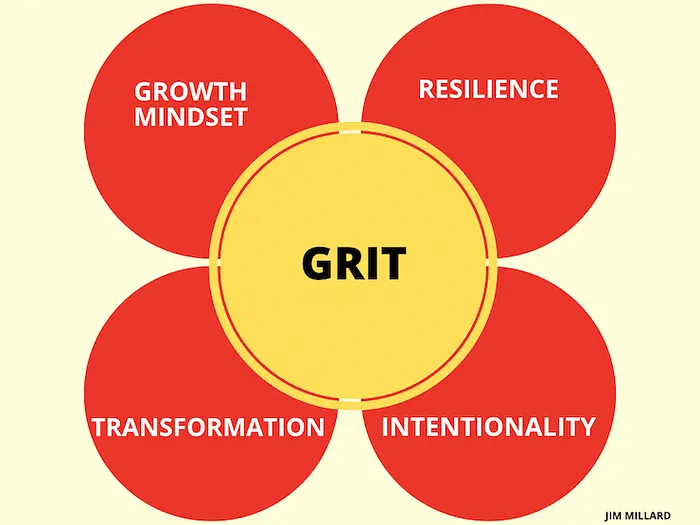
Final result, I came in officially as 17th in my age group, 20 were registered, one DNS and two DNF, so I was DFL but with an official finish! I was very pleased to know I had managed to get in under the wire. I had to have made it by only seconds. I was happy with my swim and disappointed in my overall performance because I had arrived expecting to do much better. But given everything (including emergencies with aging parents prior to leaving causing me with a lot of guilt for even going on this trip) I think I need to accept it with grace and be proud of myself. As Patrick said last night, "you showed your grit on that race." Yeah, I think I did.

Tuesday, October 8, 2024

Heat Training, does it work?

DOES HEAT TRAINING WORK? WHEN SHOULD I DO IT? If you race triathlon, undoubedly you're racing in some hot conditions. Hot and humid conditions are particularly difficult as they will tend to dehydrate you quickly. The problem for triathletes on swim and bike legs, is that dehydration can happen without our recognizing it, until it is too late. So it seems to make sense that training in the heat can help acclimitize your body to manage in these conditions. But does it really, or does it just dehydrate you for your training and not have much advantage. Latest studies seem to indicate that training in the heat does have beneficial outcomes for athletes. See this article below from Precision Hydration (my favorite electrolyte and race nutrition company:
Paper 1 - Can heat training improve performance in cool conditions as well as in the heat? It's a well established fact that training in the heat improves your ability to perform in hot conditions - more on this later with paper 3. But, until fairly recently, most people weren't booking a block in a heat chamber to prepare for a race in temperate conditions. That attitude started to change with the publication of a paper by Lorenzo and colleagues from the University of Oregon in 2010... In this study, the researchers put twelve cyclists through either ten days of training at 40°C (104°F) and 30% humidity or the same sessions in cool conditions at 13°C (55°F) and 30% humidity. They found that, on average, the riders in the heat group: ❤️ Reduced their heart rate during the workouts by 15 beats per minute 🌡️ Lowered their core temperature by 0.5°C (0.9°F) 📈 Increased their blood plasma volume by 6.5% ⬆️ Saw improvements in V̇O₂max, lactate threshold, and time-trial performance in both cool and hot conditions... ... whereas the control group enjoyed none of these positive adaptations. The takeaway: It might be worth considering incorporating some heat training into your program, regardless of whether your goal race is in the heat or not. TELL ME MORE 9 minute read